


Stevan Riley is an award-winning British film director, screenwriter, and producer celebrated for his visually captivating and emotionally rich storytelling. Known for blending historical narratives with cinematic artistry, he has earned recognition around the world for films that not only entertain but also provoke deep thought. His work showcases a rare ability to combine journalistic insight with narrative drama, placing him among the most respected voices in British cinema today.
Quick Bio
| Full Name | Stevan Riley |
|---|---|
| Profession | Film Director, Screenwriter, Producer |
| Known For | Blue Blood, Fire in Babylon, Listen to Me Marlon |
| Birthplace | United Kingdom |
| Nationality | British |
| Education | University of Oxford – Modern History |
| Years Active | 2004 – Present |
| Genres | Documentary, Drama, Biographical Films |
| Awards | BAFTA Nominee, Sundance and Grierson Awards |
| Marital Status | Private |
| Estimated Net Worth | $3–6 Million USD |
Early Life and Background
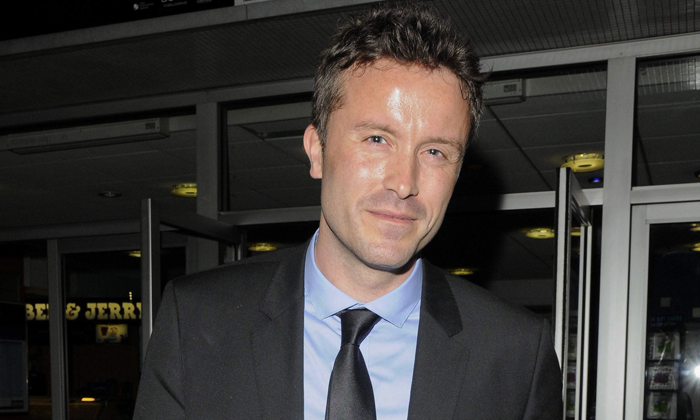
Stevan Riley was born and raised in the United Kingdom, where his fascination with storytelling began at an early age. Growing up, he developed a deep curiosity about people’s lives, social structures, and history. This curiosity would later become a driving force behind his work as a filmmaker, particularly his documentaries that explore identity, ambition, and human struggle.
As a child, Stevan Riley was drawn to both books and cinema, spending countless hours immersed in stories that offered different perspectives on the world. His upbringing instilled in him an appreciation for authenticity and emotional depth — qualities that became hallmarks of his directorial style.
Education and Early Influences
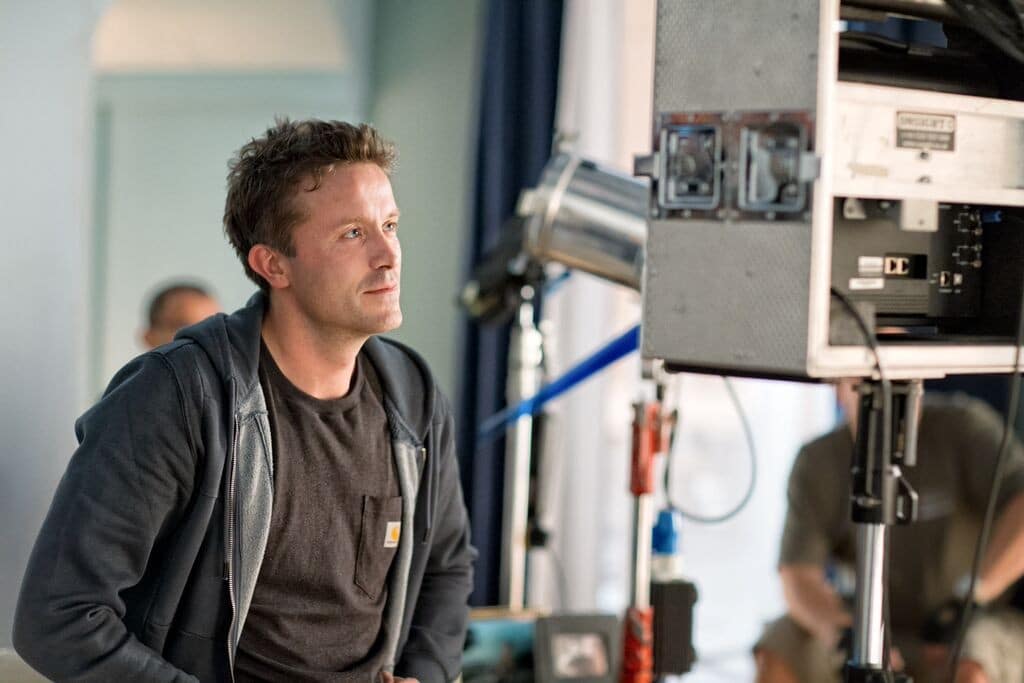
Stevan Riley studied Modern History at the University of Oxford, one of the most prestigious academic institutions in the world. His education gave him a strong understanding of human society, culture, and conflict — themes that frequently surface in his films.
During his time at Oxford, he began experimenting with filmmaking and storytelling. He was particularly inspired by directors such as Asif Kapadia, Werner Herzog, and Errol Morris, all known for pushing the boundaries of documentary storytelling. These influences helped Riley shape his vision: to create films that merge truth with art, presenting real-life stories in emotionally engaging ways.
Career Beginnings
After completing his education, Stevan Riley started his filmmaking career by producing short documentaries and independent projects. His early work quickly caught attention for its powerful storytelling and cinematic realism.
His first major documentary, “Blue Blood” (2006), was a breakthrough. The film followed Oxford University students training for the annual varsity boxing match against Cambridge, portraying their transformation and struggle with vulnerability and pride. It premiered at the Tribeca Film Festival and received widespread critical acclaim for its authenticity and emotional intensity.
This early success established Stevan Riley as a fresh, intelligent voice in documentary filmmaking.
Rise to Recognition
The success of Blue Blood opened doors for Stevan Riley to take on more ambitious projects. His next major documentary, “Fire in Babylon” (2010), became one of the most acclaimed sports documentaries ever made. The film chronicles the rise of the West Indies cricket team during the 1970s and 1980s, exploring how sport became a symbol of pride and resistance against colonial oppression.
“Fire in Babylon” received multiple awards and nominations, including recognition from the British Academy of Film and Television Arts (BAFTA). The film’s success marked Riley as one of Britain’s leading documentary filmmakers, known for combining athleticism, history, and social commentary in visually stunning narratives.
Notable Works and Filmography
Stevan Riley’s body of work reflects his dedication to telling deeply human stories through a cinematic lens. His most recognized films include:
- Blue Blood (2006) – A portrait of Oxford boxing culture and youthful ambition.
- Fire in Babylon (2010) – A documentary celebrating the West Indies cricket team’s dominance and cultural impact.
- Everything or Nothing: The Untold Story of 007 (2012) – A captivating look at the 50-year history of James Bond and its enduring legacy.
- Listen to Me Marlon (2015) – A deeply personal documentary on the life of legendary actor Marlon Brando, featuring his own audio recordings.
Listen to Me Marlon became one of Riley’s defining works, earning nominations at Sundance, BAFTA, and the Peabody Awards. It was praised for its innovative structure and emotional intimacy, allowing Brando to narrate his own story posthumously through archival recordings.
Directing Style and Creative Vision
Stevan Riley’s directing style is both cinematic and deeply personal. He combines meticulous research with visual poetry, often using archive footage, voiceovers, and real-life imagery to build an emotional connection between the subject and the viewer.
What sets Riley apart is his ability to find humanity within historical or cultural narratives. His documentaries are not just about facts — they are about people, emotion, and identity. Whether he’s chronicling sports legends or Hollywood icons, his films reflect universal themes of ambition, isolation, and redemption.
His storytelling is often described as immersive, lyrical, and profoundly empathetic, establishing him as one of the leading creative voices in British cinema.
Awards and Professional Achievements
Throughout his career, Stevan Riley has received numerous awards and honors that highlight his contribution to film and storytelling. Some of his major achievements include:
- BAFTA Nomination for Fire in Babylon and Listen to Me Marlon
- Best Documentary Award at the Los Angeles Film Festival
- Grierson Award for Best Arts Documentary
- Official Selections at Sundance, Cannes, and Tribeca Film Festivals
His ability to connect emotionally with audiences and his dedication to authenticity have earned him praise from critics, filmmakers, and fans alike.
Age and Physical Appearance
While Stevan Riley’s exact age is not publicly available, he is believed to be in his late 40s or early 50s. He maintains a professional, composed appearance, often seen in interviews and film panels with a calm, reflective demeanor. His thoughtful personality and articulate communication style mirror the intelligence and sensitivity found in his films.
Personal Life and Relationships
Stevan Riley keeps his personal life very private, preferring to let his work speak for itself. He has not shared much about his marital status or family, maintaining a clear boundary between his professional and private life.
Those who have collaborated with him describe him as humble, dedicated, and deeply passionate about storytelling. His relationships with fellow filmmakers and producers are marked by mutual respect and creative collaboration, which has been key to his success.
Public Image and Media Presence
Despite his global success, Stevan Riley maintains a relatively low public profile. He rarely engages in heavy self-promotion, instead focusing on his craft and the stories he wants to tell. His interviews often reflect his introspective personality and belief in using cinema as a means of emotional exploration.
At film festivals and media events, he is known for his articulate insights into the art of documentary filmmaking. His presence on social media is minimal, aligning with his preference for privacy and creative focus.
Net Worth and Industry Impact
With multiple international awards and collaborations with major studios, Stevan Riley’s estimated net worth ranges between $3 million and $6 million USD. However, his greatest contribution lies not in financial success but in his artistic impact.
He has redefined modern documentary filmmaking by blending truth with narrative storytelling — creating works that feel both informative and cinematic. His films have influenced a generation of young filmmakers who seek to merge journalism, art, and emotion in their work.
Conclusion
Stevan Riley stands as one of the most insightful and emotionally driven directors in British cinema. His work bridges the gap between art and truth, offering audiences stories that are visually stunning and intellectually enriching.
As he continues to explore new subjects and storytelling techniques, fans eagerly await his next project. Whether delving into personal stories or historical legacies, Stevan Riley’s legacy as a filmmaker will continue to inspire those who believe in the power of cinema to illuminate the human experience.
FAQs
Who is Stevan Riley?
Stevan Riley is an award-winning British film director, screenwriter, and producer best known for his powerful documentaries and cinematic storytelling.
What is Stevan Riley famous for?
He is best known for directing acclaimed films such as Blue Blood, Fire in Babylon, and Listen to Me Marlon, which earned global recognition.
Where is Stevan Riley from?
He was born and raised in the United Kingdom, where his early passion for storytelling and history developed into a successful film career.
What is Stevan Riley’s directing style?
His films combine emotional depth, realism, and artistic visuals, blending factual storytelling with cinematic creativity.
What are Stevan Riley’s major achievements?
He has received BAFTA nominations, Sundance selections, and numerous international film awards for his documentary work.
Did Stevan Riley study filmmaking?
He studied Modern History at the University of Oxford, which strongly influenced his documentary approach and storytelling themes.
How old is Stevan Riley?
Although his exact age is not publicly known, he is believed to be in his late 40s or early 50s.
Is Stevan Riley married?
Stevan Riley keeps his personal life private, and there is little public information about his relationships or family.
What makes Stevan Riley’s work unique?
His ability to merge truth with emotion and present real stories through a cinematic lens makes his films stand out.
What projects is Stevan Riley working on next?
He continues to develop new film projects and documentaries, focusing on stories that explore humanity, culture, and creativity.
Visit for more information:- republicmagazine
